Last updated: October 20, 2026
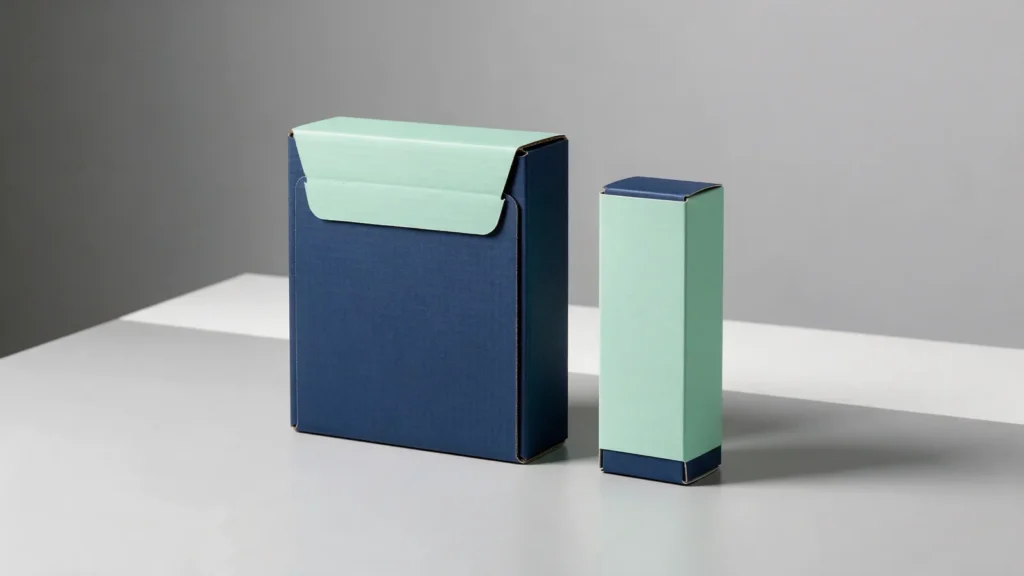
Quick answer: Choose a mailer box if your product ships straight to the customer’s door. It is made from corrugated board, locks shut without tape and survives the mail on its own. Choose a tuck-end box if your product sells on a store shelf or ships in bulk to a retailer. It is a lighter folding carton that usually costs less per unit and travels inside a larger shipping carton.
The mailer box vs. tuck-end box question comes up in a lot of our quote requests. Both are custom printed, both fold flat for storage, and both carry your logo well. The difference is the job each one is built for. This guide explains how each style is made, compares them side by side, and shows which one fits common products, so you can order the right box the first time.
In this guide
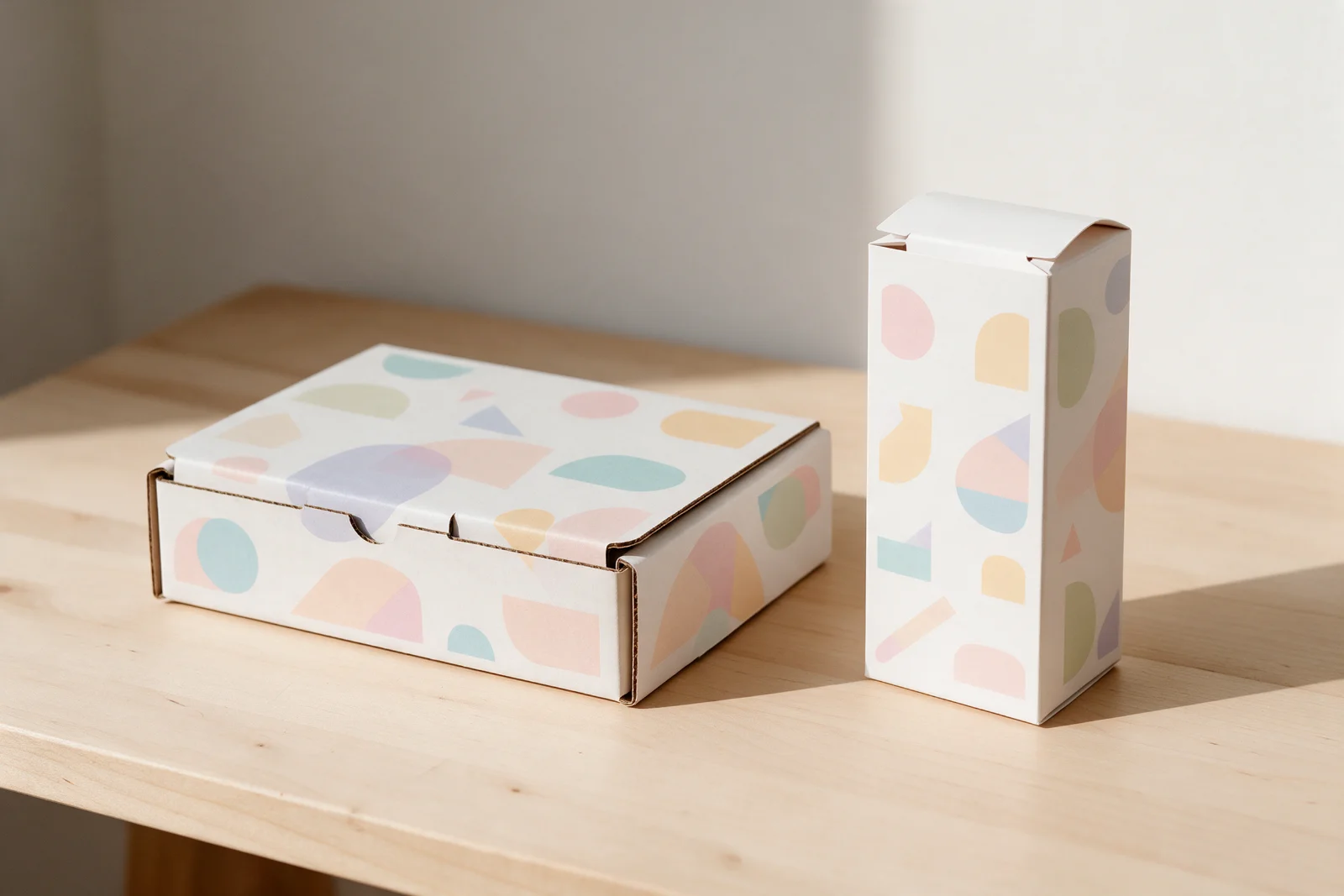
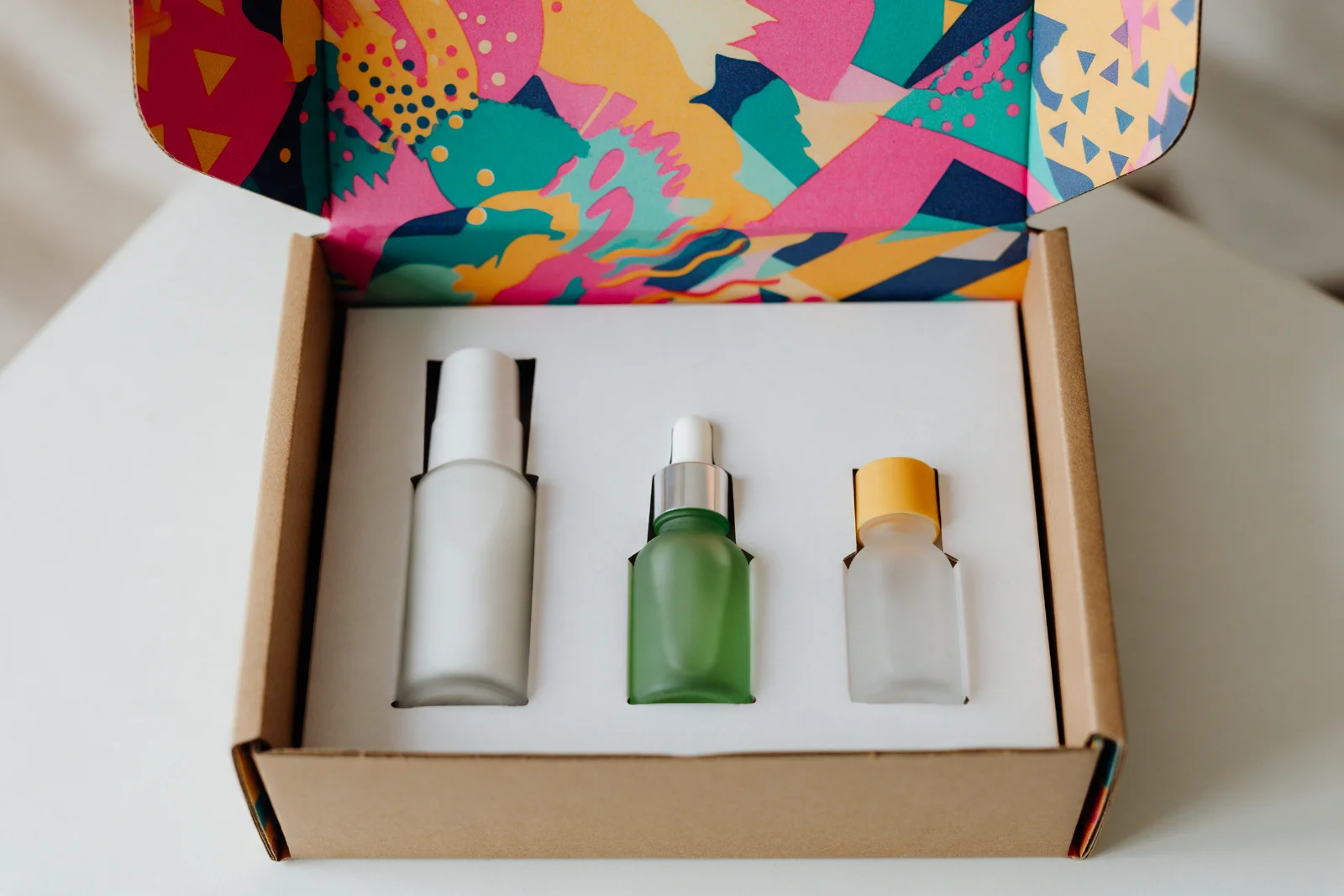
A mailer box is a one-piece corrugated box with a hinged lid, folded side walls and front locking tabs. Most styles also have dust flaps that close off the corners. Once it is folded and closed, it holds its shape without tape, though many brands add a sticker or a strip of branded tape as a seal.
Because it is made from corrugated board (a fluted middle layer glued between two flat liners), a mailer box can go through the parcel network without an outer shipping carton. That is why it is the standard choice for e-commerce orders, subscription boxes and direct-to-customer brands.
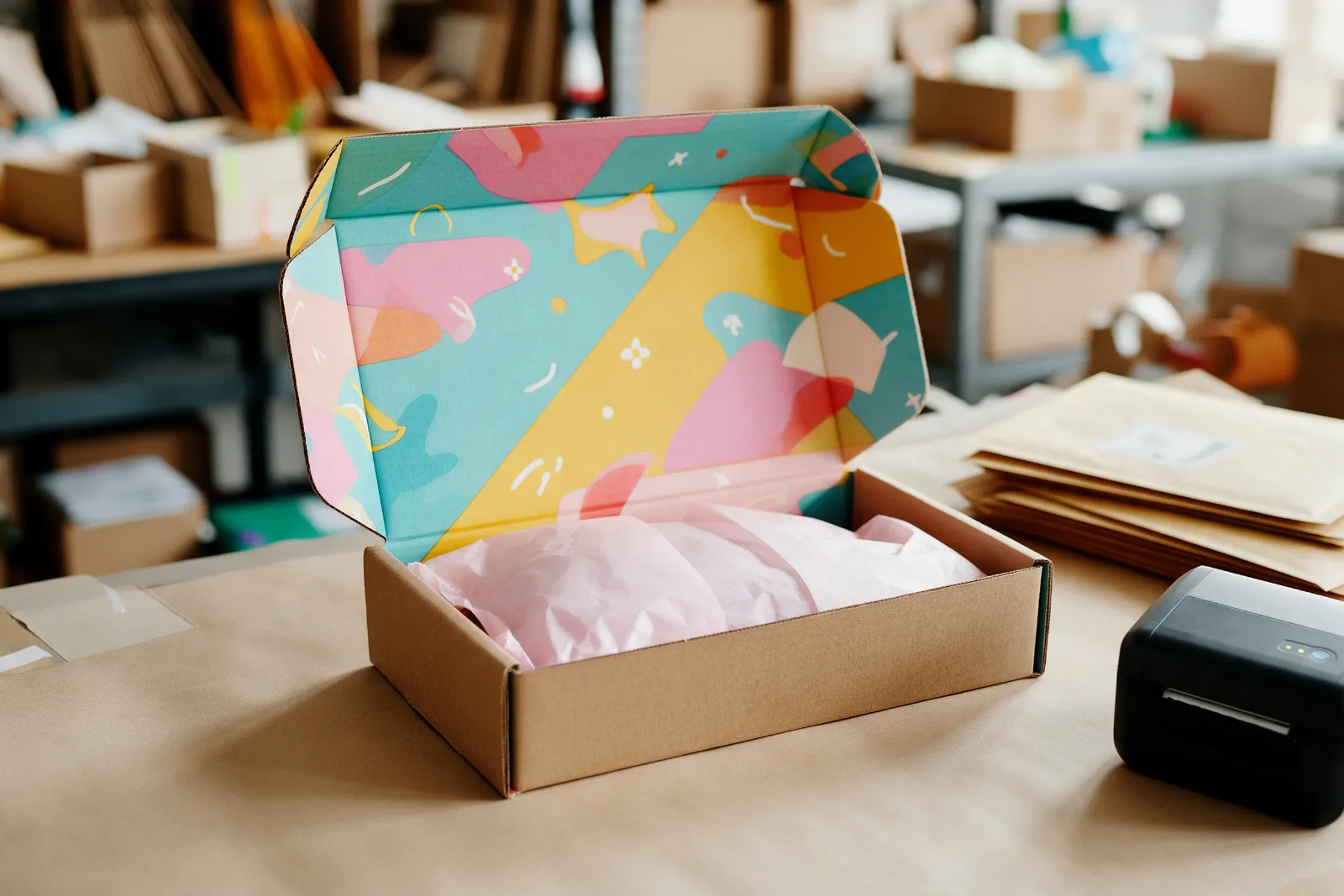
Board color is your choice as well: white, natural kraft or black.
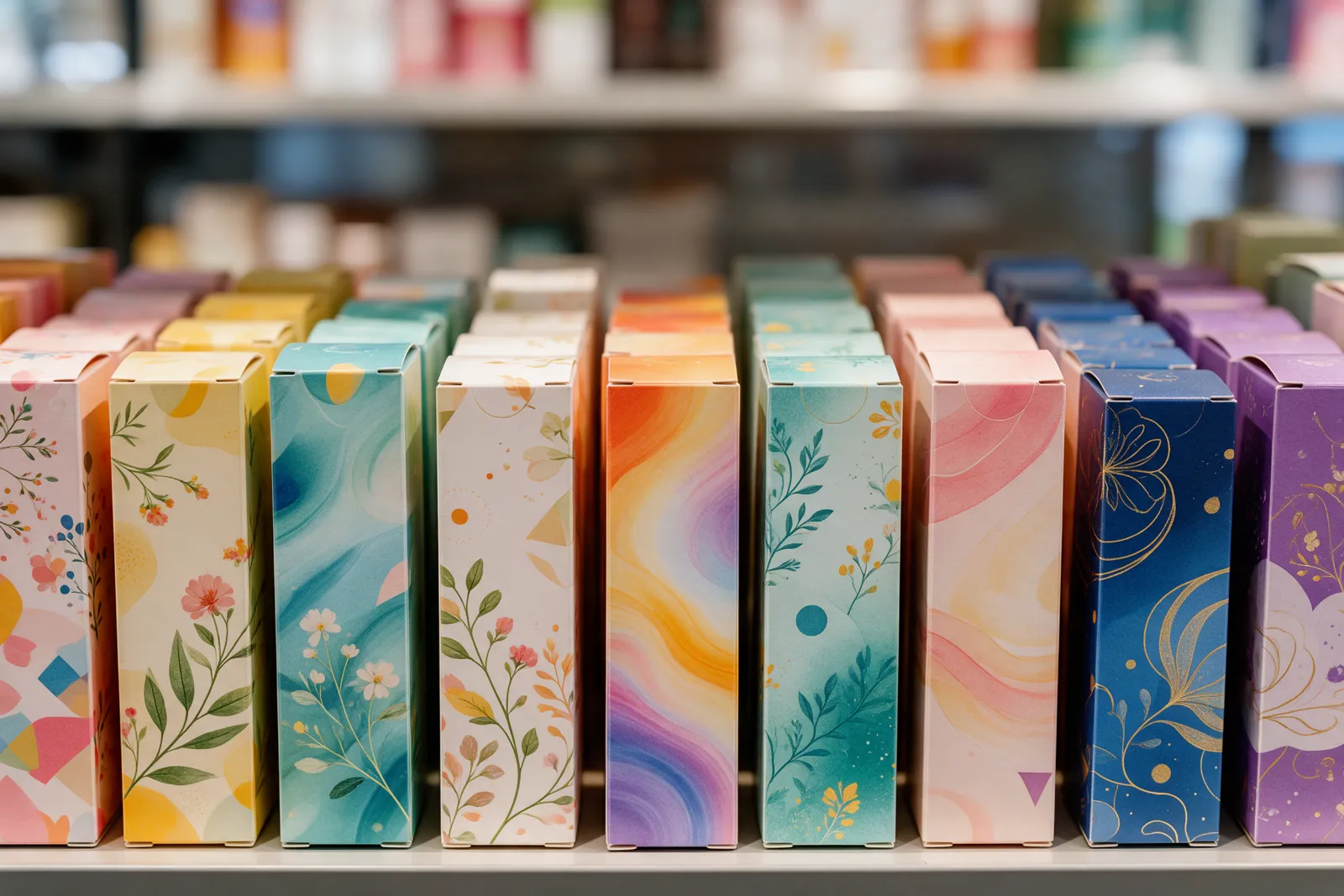
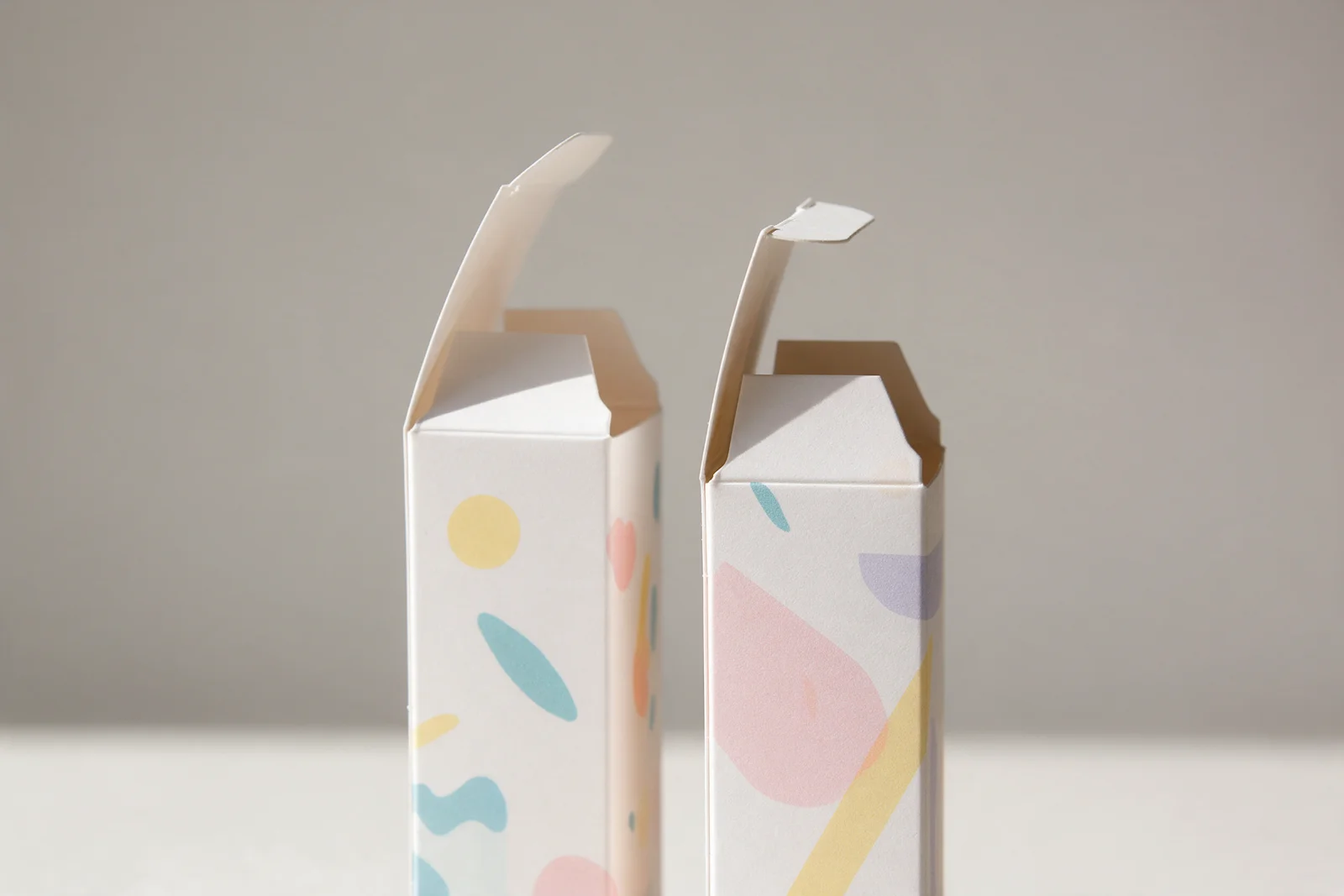
A tuck-end box is a folding carton with a flap at the top and the bottom that tucks into the box to close it. It is the familiar shape of a toothpaste, cosmetics or supplement box on a store shelf. Tuck-end boxes are usually made from paperboard, such as SBS (a smooth, bright white board), kraft or recycled board. Light E-flute corrugated is an option when a product needs more strength.
A tuck-end box is light, prints sharply and opens and closes many times, so it works for products that are handled in a store or used over time at home.
There are two common versions, and the difference is which way the top and bottom flaps fold:
| Feature | Mailer box | Tuck-end box |
|---|---|---|
| Main job | Shipping straight to customers | Retail shelf display and product storage |
| Usual material | Corrugated board (E-flute, B-flute or double-wall) | Paperboard (SBS, kraft or recycled); light E-flute optional |
| Strength in the mail | Built to ship on its own | Usually needs an outer shipping carton |
| How it closes | Locking tabs and dust flaps, no tape needed | Top and bottom tuck flaps |
| Cost per unit | Higher (more board, sturdier build) | Lower, especially at larger quantities |
| Printing | Outside and inside, including the inside of the lid | Outside and inside; very sharp detail on smooth paperboard |
| Unboxing feel | Lid opens like a gift box | Simple and familiar; easy to reclose |
| Storage before use | Ships flat, takes more space | Ships flat, very compact |
| Best for | Subscription boxes, apparel, online orders, gift kits | Cosmetics, supplements, candles, small retail goods |
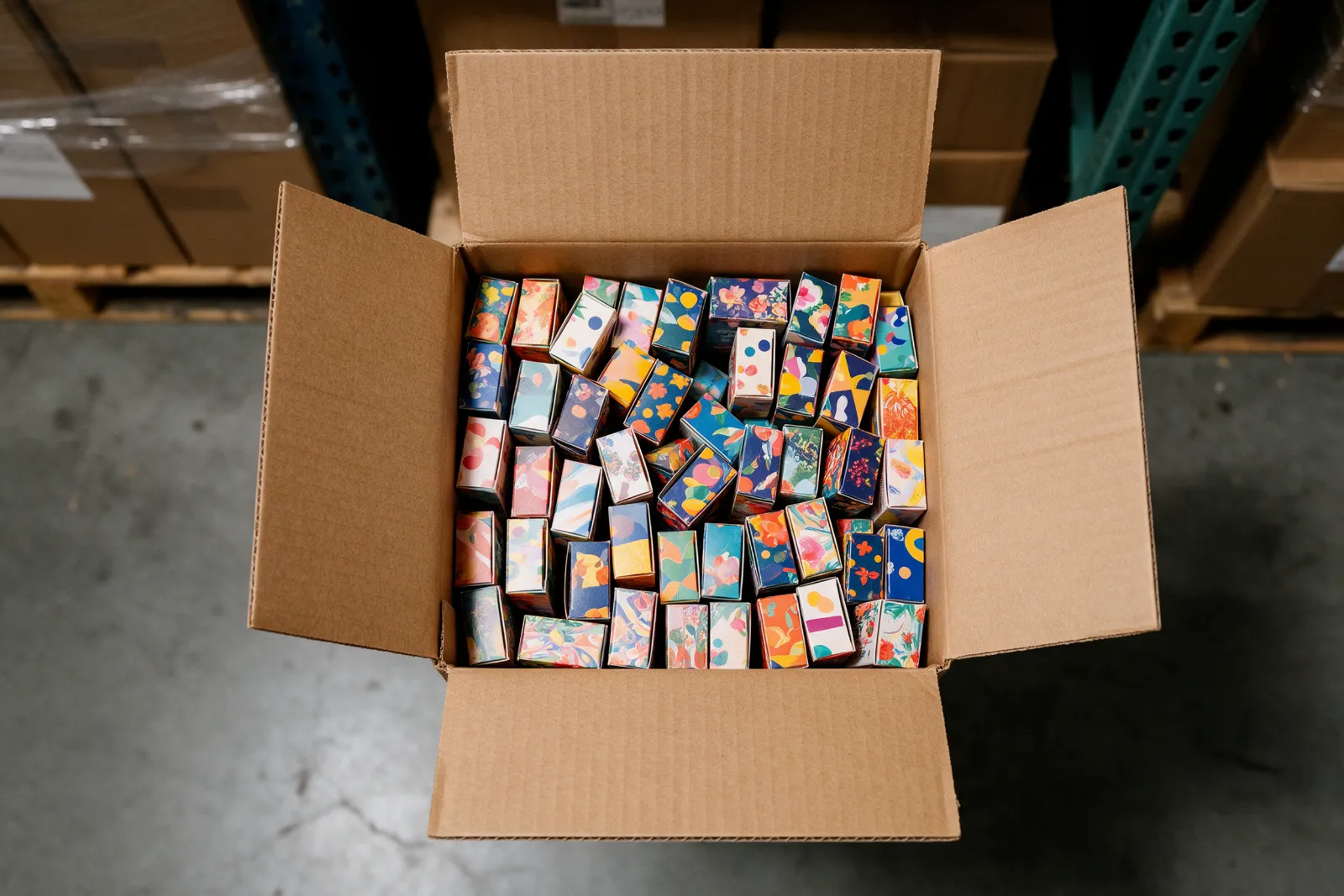
For most products, no. Paperboard is made for shelves, not for parcel sorting, where boxes get stacked, dropped and squeezed. Tuck-end boxes are normally packed by the dozen inside a corrugated shipping carton and sent to a store or warehouse, where they are unpacked and put on display.
If you sell online and want a retail-style carton, a common setup is to put the tuck-end box inside a plain or printed mailer or shipping box. You get a shelf-ready product box and safe delivery, but you pay for two boxes per order. Making the tuck-end box itself from light E-flute corrugated is another option for products that need extra protection.
Per box, a tuck-end carton usually costs less than a mailer box of a similar size, because it uses thinner board. But the box price is not the whole story. These are the things that change your real cost:
For an exact price on your size and quantity, the quickest route is a free quote.
A mailer box is the natural fit. It ships alone, opens like a gift and gives you the inside of the lid for a thank-you message. See our subscription boxes and e-commerce boxes.
A tuck-end box keeps the cost per unit low, shows your design clearly on the shelf and can be reclosed after each use. A window patch lets shoppers see the product.
For online orders, a mailer box protects folded clothing and makes the delivery feel special. For in-store gift sets, a tuck-end or gift-style box usually does the job.
If the product ships to customers, use a B-flute or double-wall mailer with an insert. If it sits on a shelf, a sturdy tuck-end box with an insert works, shipped in bulk inside a carton.
Both styles come in kraft board. Kraft boxes give an earthy, unbleached look and pair well with single-color printing.
Both box styles can be printed in full color (CMYK) or in exact Pantone colors, outside and inside. The main difference is the surface: smooth paperboard shows very fine detail, while corrugated board gives slightly softer results, especially on kraft.
The minimum order is 100 boxes for either style. Not sure which one fits? Send us your product size and shipping method and we will recommend the right structure, board and finish.
A mailer box is a sturdy corrugated box built to ship to customers on its own. A tuck-end box is a lighter paperboard carton with tuck flaps at the top and bottom, made mainly for retail shelves. It usually ships in bulk inside another carton.
Not quite. A mailer box is a one-piece box with a hinged lid and locking tabs, designed for presentation as well as protection. A standard shipping box, also called a regular slotted carton, has four top flaps that are taped shut and is mainly used for protection.
A tuck-end box is usually cheaper per unit because it uses thinner board. If it needs an outer shipping box for delivery, though, the total cost per order can be higher than a single mailer box.
Yes. Both tuck-end and mailer boxes can be printed inside and out.
No. The locking tabs and dust flaps keep a mailer box closed. Many brands add a branded sticker or tape strip as a seal.
Our minimum order is 100 boxes, and production takes 8–10 business days after you approve the artwork.
Get in touch — we're happy to send a free first-pass concept for your packaging project.